

Blog
Welcome to the BioPartners Blog — your source for expert insights, industry updates, scientific perspectives, and real-world lessons from the front lines of clinical research.
Navigating IVDR Clinical Performance Evaluation Studies: A Practical Guide for IVD Developers
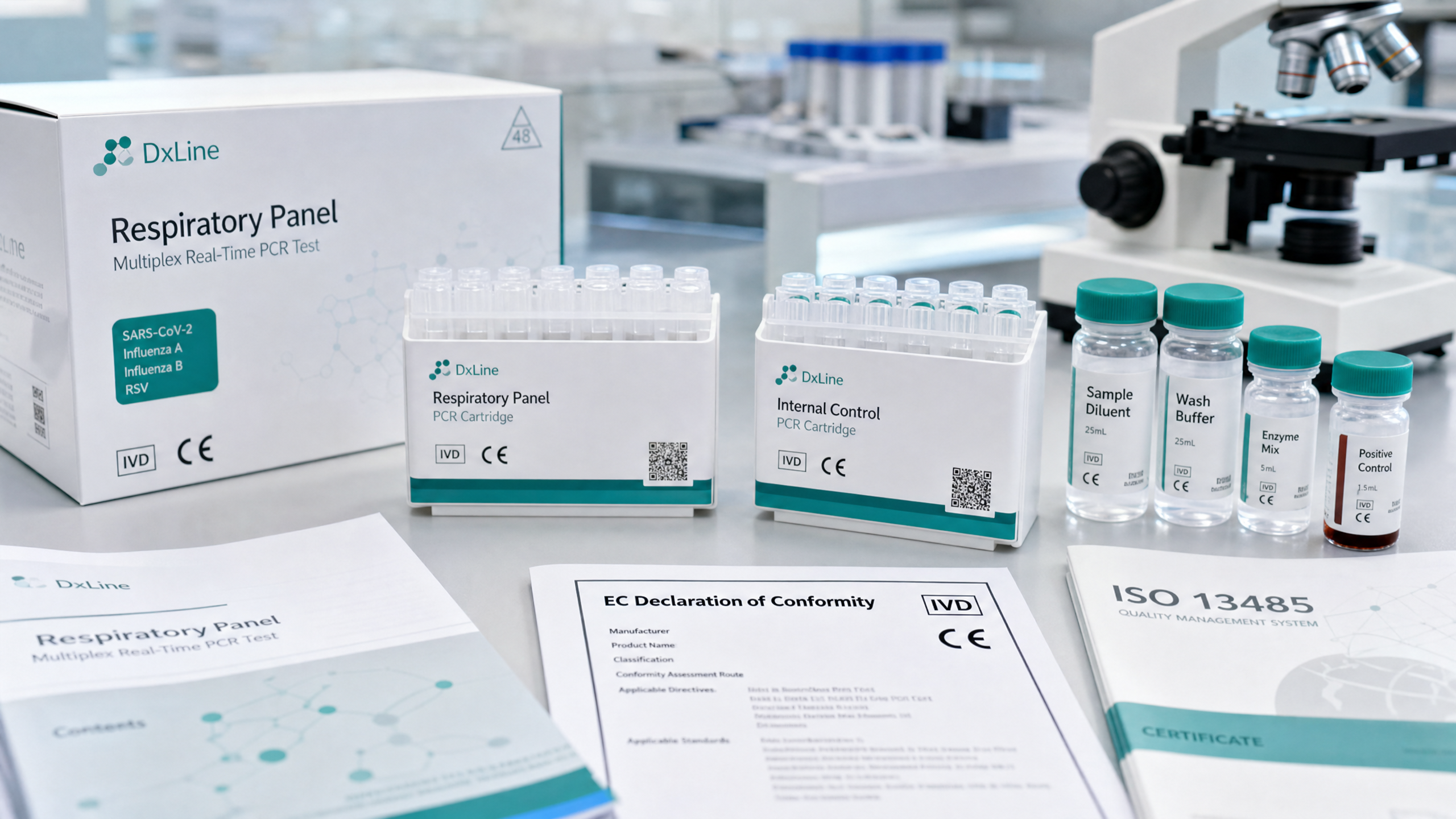
The transition to the European Union’s In Vitro Diagnostic Medical Devices Regulation (IVDR) 2017/746 has fundamentally reshaped the regulatory landscape for diagnostic developers. Under the previous directive (IVDD), many devices could be self-certified. Today, the IVDR demands a significantly higher standard of clinical evidence, placing intense scrutiny on the safety and performance of in vitro diagnostics (IVDs).
For IVD developers seeking CE marking under the IVDR, understanding the requirements for clinical performance evaluation studies is not optional—it is the central challenge of the entire regulatory pathway. This guide outlines the key pillars of IVDR compliance and explains how to structure a successful clinical evidence strategy.
Why the IVDR Represents a Fundamental Shift
The IVDR replaced the In Vitro Diagnostic Directive (IVDD) 98/79/EC and introduced a risk-based classification system that significantly elevated the evidence requirements for most IVD devices. Under the IVDD, the vast majority of devices were self-declared by manufacturers. Under the IVDR, most devices now require involvement from a Notified Body, and all devices require a robust Performance Evaluation Report (PER) supported by clinical data.
The regulation also introduced a new concept: the Performance Evaluation Plan (PEP), which must be established early in the development lifecycle and updated continuously. This reflects the IVDR’s emphasis on the entire product lifecycle, not just pre-market approval.
The Three Pillars of IVDR Performance Evaluation
The IVDR requires manufacturers to establish and maintain clinical evidence based on three interconnected pillars.
1. Scientific Validity
Scientific validity refers to the association of an analyte with a clinical condition or physiological state. This is typically established through a systematic review of published scientific literature. Developers must demonstrate that the analyte their device measures is genuinely associated with the disease or condition the device is intended to detect or monitor.
2. Analytical Performance
Analytical performance describes the ability of a device to correctly detect or measure the target analyte. This involves demonstrating precision, accuracy, analytical sensitivity (limit of detection), analytical specificity (including cross-reactivity and interference), and stability.
Crucially, analytical performance must be demonstrated through rigorous analytical performance studies. Developers must establish metrological traceability using certified reference materials or reference measurement procedures whenever possible.
3. Clinical Performance
Clinical performance is the ability of the device to yield results that correlate with a particular clinical condition or physiological state in accordance with the target population and intended user.
This is often the most challenging pillar for developers. It requires demonstrating diagnostic sensitivity, diagnostic specificity, positive predictive value, and negative predictive value. While literature and real-world data can sometimes support clinical performance, many devices—especially those in higher risk classes—will require dedicated, prospective clinical performance studies involving human subjects or high-quality, prospectively collected biospecimens.
The Importance of the Performance Evaluation Plan (PEP)
The entire evaluation process must be governed by a detailed Performance Evaluation Plan (PEP). The PEP serves as the roadmap for generating clinical evidence and must be established early in the development cycle.
A robust PEP must include a precise specification of the device’s intended purpose and target patient groups, identification of the analyte or marker to be determined, a description of the state of the art in medicine relevant to the device, an outline of the development phases and the sequence for determining scientific validity, analytical performance, and clinical performance, and a Post-Market Performance Follow-up (PMPF) plan to ensure continuous data collection after the device is on the market.
Sourcing High-Quality Biospecimens for IVD Studies
A major hurdle in conducting analytical and clinical performance studies is acquiring the right biological samples. The data generated in these studies is only as reliable as the biospecimens used.
Diagnostic developers require well-annotated, ethically sourced biospecimens that accurately reflect the intended use population. This includes specific disease states, matched healthy controls, and samples with known interfering substances to test analytical specificity.
Working with a partner that operates an active clinical research site and a dedicated biobank provides a significant advantage. An integrated CRO and clinical site can prospectively collect specific sample cohorts, ensuring strict adherence to collection protocols, rapid processing to maintain sample stability, and comprehensive clinical metadata—all of which are essential for audit-ready regulatory submissions.
The Continuous Nature of Clinical Evidence
A critical paradigm shift under the IVDR is that performance evaluation is not a one-time event; it is a continuous lifecycle process.
Even after CE marking is achieved, manufacturers must proactively update their clinical evidence through Post-Market Performance Follow-up (PMPF). This involves systematically gathering real-world data on the device’s performance in routine clinical practice to confirm safety, identify emerging risks, and ensure the benefit-risk ratio remains acceptable.
How BioPartners Supports Diagnostic Developers
Navigating the complexities of IVDR performance evaluation requires specialized expertise and flawless execution. BioPartners provides comprehensive support for diagnostic developers conducting IVD evaluations and biomarker studies.
Our unique integrated model—combining a full-service CRO with an actively enrolling clinical research site in California—allows us to streamline the execution of clinical performance studies. We offer protocol development and regulatory support to ensure your study design aligns with IVDR requirements and GCP standards, targeted patient recruitment and biospecimen collection leveraging our active clinical site, and end-to-end accountability managing every aspect of the study from ethical approvals to final reporting.
As the regulatory bar rises, partnering with a specialized CRO that understands the nuances of drug-free diagnostic studies is essential. Contact BioPartners to discuss how we can support your IVD clinical performance evaluation strategy.